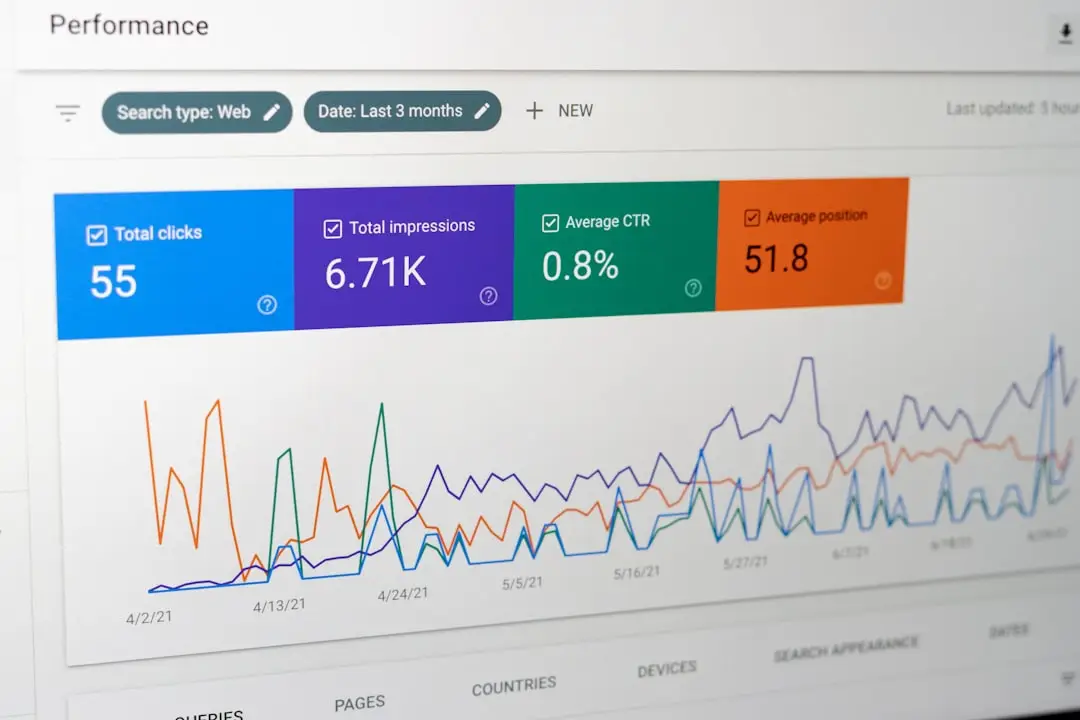
Effective Digital Marketing Strategies for Businesses In order to effectively connect with their target audience, businesses must adapt & refine their strategies in the constantly changing field of digital marketing. This article explores a number of crucial elements of digital marketing, offering advice and practical solutions for companies trying to improve their online visibility and interaction. Businesses must first develop a thorough understanding of their target audience in order to develop successful marketing strategies. This entails figuring out who their clients are, what they require, and how they like to interact with brands.
Interested in being advertised as South Florida's Best? Check out their latest promotion!
Key Takeaways
- Identify and understand your target audience to tailor marketing efforts effectively.
- Establish a strong online presence through a professional website and consistent branding.
- Use social media platforms strategically to engage and grow your audience.
- Implement SEO techniques to improve search engine rankings and increase organic traffic.
- Track and analyze marketing performance to optimize campaigns and maximize ROI.
An essential first step in this process is carrying out market research. Customer interviews, focus groups, & surveys can all yield insightful information about demographics, preferences, and problems. Businesses can develop comprehensive buyer personas that reflect their ideal clients by analyzing this data, enabling more specialized marketing campaigns. Also, knowing the target audience includes psychographics in addition to demographics. This encompasses the ideals, passions, & way of life of prospective clients. Businesses can develop more compelling messaging that speaks to the needs and aspirations of their audience by utilizing these deeper motivations.
For example, a business that sells eco-friendly goods might use marketing campaigns that emphasize sustainability to appeal to customers who care about the environment. In the end, a comprehensive grasp of the target market serves as the basis for all ensuing marketing initiatives. Any company hoping to prosper in the digital era must have a strong online presence. Creating a polished website that acts as the focal point for all online activities is the first step in this process. A well-designed website represents the identity and values of the brand in addition to showcasing goods or services.
To accommodate the increasing number of people using smartphones to access the internet, it should be easy to use, aesthetically pleasing, & mobile-friendly. Businesses should think about setting up profiles on different online platforms related to their industry in addition to a website. Social media websites, online marketplaces, and review sites may fall under this category. These channels each present different chances for interaction and brand awareness. Businesses can reach a larger audience and cultivate better customer relationships by keeping an active presence across several platforms.
To strengthen brand recognition and trust, consistency in branding and messaging across all channels is essential. For companies trying to interact with their audience in real time, social media marketing has become an essential tool. Social media sites like Facebook, Instagram, Twitter, and LinkedIn provide brands with special chances to establish a personal connection with their customers. Businesses can create a devoted following around their brand by offering insightful content, answering questions, and taking part in discussions. Also, social media advertising enables companies to precisely target particular demographics.
| Marketing Strategy | Description | Key Metrics | Recommended Tools |
|---|---|---|---|
| Local SEO | Optimize your website and content to rank higher in South Florida local search results. | Local search ranking, Google My Business views, organic traffic from local searches | Google My Business, Moz Local, BrightLocal |
| Social Media Marketing | Engage with local audiences on platforms like Facebook, Instagram, and LinkedIn. | Follower growth, engagement rate, click-through rate, conversions | Facebook Ads Manager, Hootsuite, Buffer |
| Pay-Per-Click Advertising (PPC) | Run targeted ads on Google and social media to attract South Florida customers. | Click-through rate (CTR), cost per click (CPC), conversion rate | Google Ads, Facebook Ads, Bing Ads |
| Content Marketing | Create blog posts, videos, and guides relevant to South Florida audiences. | Page views, time on page, social shares, lead generation | WordPress, HubSpot, SEMrush |
| Email Marketing | Send newsletters and promotions to build relationships with local customers. | Open rate, click rate, unsubscribe rate, conversion rate | Mailchimp, Constant Contact, Sendinblue |
| Online Reviews & Reputation Management | Encourage and manage customer reviews on platforms like Yelp and Google. | Number of reviews, average rating, response time | Reputation.com, Yext, Google My Business |
Businesses can reach potential customers based on their location, interests, & behaviors by using the sophisticated targeting options found on platforms like Facebook Ads and Instagram Ads. By reaching people who are more likely to be interested in the offered goods or services, this targeted strategy not only maximizes advertising budgets but also raises the possibility of conversion. Enhancing a website’s visibility in search engine results pages (SERPs) is the goal of search engine optimization, or SEO, a crucial part of digital marketing. Businesses can boost organic traffic and draw in potential clients who are actively looking for their products by optimizing their website content for pertinent keywords. This entails finding terms & phrases that prospective clients are using in their searches through keyword research.
SEO includes a number of technical elements, including mobile friendliness, site speed, & secure connections (HTTPS), in addition to keyword optimization. Making sure a website is technically sound not only improves user experience but also lets search engines know that it is reliable and credible. Also, producing excellent content that benefits users can raise a company’s search engine rankings and position it as an authority in its field. Email marketing is still one of the best ways to nurture leads and keep customers.
Businesses can interact directly with their audience by creating an email list using sign-up forms on websites or social media platforms. Engagement rates can be greatly increased by creating customized email campaigns that take into account subscribers’ interests and habits. A crucial tactic in email marketing is segmentation, which enables companies to customize messages according to particular parameters like past purchases or demographic data. By ensuring that recipients receive pertinent content that speaks to them, this targeted approach raises the possibility of conversions. Also, using persuasive calls-to-action (CTAs) in emails can direct recipients toward desired actions, such as purchasing a product or registering for an event. Businesses can quickly and efficiently reach potential customers with the help of online advertising.
Opportunities for focused campaigns that can increase traffic and produce leads are offered by platforms like Google Ads and social media advertising. Businesses can bid on keywords related to their products with pay-per-click (PPC) advertising, which guarantees that their ads show up prominently in search results. Another successful online advertising tactic is retargeting, which allows companies to get in touch with customers who have already interacted with their advertisements or website.
Businesses can remind these people about their goods or services and entice them to make another purchase by showing them customized advertisements while they browse other websites or social media platforms. By focusing on users who have already expressed interest, this strategy not only raises brand awareness but also boosts conversion rates. Having a responsive website is essential in today’s digital world. Regardless of how users access a website, a responsive design guarantees that it works flawlessly on a variety of devices and screen sizes, offering the best possible user experience. Businesses must give mobile optimization top priority in order to prevent losing potential clients as a result of subpar website performance, given the growing number of users browsing on mobile devices.
A responsive website improves SEO rankings in addition to the user experience. Investing in responsive design is crucial for businesses because search engines like Google give priority to mobile-friendly websites. Fast loading times and user-friendly navigation can also increase user satisfaction and lower bounce rates, which will ultimately result in higher conversion rates. Businesses must put strong measurement & analysis procedures in place in order to assess the success of their digital marketing initiatives. By using tools like Google Analytics, businesses can monitor user behavior, website traffic, and conversion rates.
Businesses can determine which tactics are effective and which ones need improvement by evaluating this data. Key performance indicators (KPIs) like click-through rates (CTR), return on investment (ROI), and customer acquisition costs can be routinely reviewed to gain important insights into the general efficacy of marketing campaigns. Businesses can make well-informed decisions about resource allocation and strategy refinement for improved outcomes thanks to this data-driven approach. Successful digital marketing requires constant testing and optimization; by remaining flexible and sensitive to data insights, companies can modify their tactics to satisfy shifting consumer needs. To sum up, managing the intricacies of digital marketing necessitates a diverse strategy that includes comprehending the target market, establishing a robust online presence, utilizing social media, optimizing for search engines, employing email marketing, participating in online advertising, developing responsive websites, & efficiently measuring outcomes.
Businesses can improve their visibility, meaningfully interact with customers, and eventually spur growth in an increasingly competitive digital environment by carefully and consistently putting these strategies into practice.
When considering effective strategies to market your South Florida business online, it’s essential to understand the legal landscape that may impact your operations. For insights on navigating these complexities, you can refer to the article titled “Entrepreneur’s Guide to Business Law: Expert Interview,” which provides valuable information for business owners. You can read it here: Entrepreneur’s Guide to Business Law: Expert Interview. This resource can help you ensure that your marketing efforts comply with relevant regulations while maximizing your online presence.