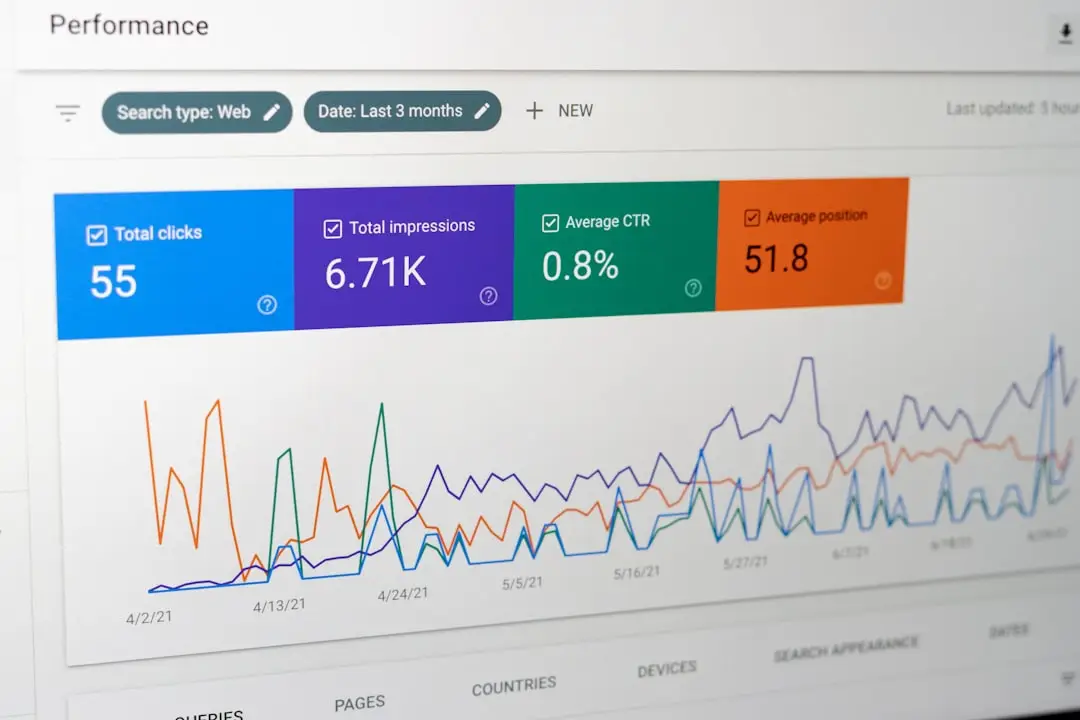
So, you’re wondering how to get seen online these days, especially with all this AI stuff popping up everywhere? It’s a fair question. The short answer is: you need to think about AI visibility. It’s less about getting to the top of Google’s old-school search results and more about making sure your brand pops up in those new AI answers and summaries. It’s a bit of a shift, for sure, but totally doable.
Interested in being advertised as South Florida's Best? Check out their latest promotion!
The Big Picture: What is AI Visibility Anyway?
Gone are the days when SEO was just about keywords and backlinks. While those are still important, the landscape is rapidly changing. AI is moving from a behind-the-scenes tool to a front-facing interface for information. This means how people find things is evolving, and you need to evolve with it.
Think of it this way: instead of someone typing a question into a search bar and sifting through ten blue links, they’re asking an AI tool. That AI tool then synthesizes information from various sources to give them a direct answer. Your goal is to be one of the authoritative, accurate sources that AI draws from.
To enhance your online visibility using AI, you might find it beneficial to explore related strategies discussed in the article about community engagement and events, such as the Pembroke Pines Christmas Celebration. This event showcases how local activities can be leveraged for better online presence and community connection. For more insights, check out the article here: Pembroke Pines Christmas Celebration.
Why Traditional SEO Isn’t Enough Anymore
It’s not that traditional SEO is dead. It’s more like it’s… changed its diet. The core principles of providing valuable content and making your website technically sound are still the foundation. But the way that content is consumed and surfaced is different when AI is involved.
- AI Consolidates Information: AI often pulls information from multiple sources to create a comprehensive answer. This means your content might be a small piece of a larger AI-generated response.
- Speed Over Depth for Some Queries: For quick questions, users might not click through to a website at all. They get their answer directly from the AI.
- New Platforms, New Rules: AI chatbots and conversational search interfaces are becoming popular ways to get information. You need to be present and optimized for these.
Embracing the AI-Powered Search Ecosystem
The good news is that many companies are actively working to integrate websites better into AI search. Google, for instance, is rolling out new features that aim to increase website visibility within AI-generated content. This means opportunities are being created.
- Google’s AI Mode Enhancements: Expect to see more detailed AI overviews from Google, featuring expanded links and short explanations directly within the AI response. They’re also experimenting with carousels for subscribed content, which could highlight specific sources.
- AI-Driven Discovery is Changing Economics: The way people find and engage with businesses online is shifting. This isn’t just a technical change; it’s affecting how businesses gain traction and, ultimately, revenue. Understanding these economic shifts is key to adapting your strategy.
Sure, here is the sentence with the clickable link:
Try a FREE AI Demo.
How to Actually Boost Your AI Visibility: Practical Steps
This is where we get down to brass tacks. How do you actually make this AI visibility thing happen? It’s about being smart, strategic, and consistent.
Leveraging AI Tools for Visibility
There are now specialized AI tools designed specifically to help you navigate this new AI-driven search landscape. These aren’t just general SEO tools; they’re built to understand how AI synthesizes information and where your business can fit in.
- Omnichannel AI Services: Think about services like DigitalBiz’s AI EngineBoost. These are designed to get you noticed not just in one place, but across various AI platforms – whether it’s Google AI Overviews, conversational AI like ChatGPT, or other emerging AI assistants. The goal is to be a source AI trusts and uses.
- Generative Search Tools: Companies like Scalenut are offering specific AI tools, such as GEO Watchtower and Social Upreach. These help marketers ensure their brand is seen and cited within generative search results, which is crucial for staying relevant in an AI-dominated environment.
- AI Visibility Tracking: Tools like Botify’s new offering are coming out specifically to monitor and improve your brand’s presence in AI-generated search answers. This helps you understand what’s working and where you need to adjust.
The Rise of “AI Visibility” as a Core Strategy
“AI visibility” is the new buzzword, but it’s more than just a trend. It’s a fundamental shift in how we measure online success. It’s not just about where you rank; it’s about how often you’re mentioned accurately, and in a positive light, within AI-synthesized answers.
- Boosting AI Brand Mentions: This means making sure your brand name is frequently and accurately referenced by AI when relevant. This can be influenced by the quality and authority of your online content, your reviews, and your presence on reputable platforms.
- Improving AI Citations: Similar to brand mentions, AI citations are about being credited as a source. This requires ensuring your information is trustworthy, verifiable, and easily accessible for AI to pull from.
- Updating Review Profiles and Wikipedia Content: These platforms are often heavily relied upon by AI for factual information. Keeping your reviews up-to-date, positive, and comprehensive, and ensuring your Wikipedia page is accurate and well-sourced, can significantly impact your AI visibility.
- Authentic Community Engagement: AI tools can also analyze conversations and sentiment within online communities. Participating genuinely in forums, social media groups, and Q&A sites where your target audience congregates can help build your brand’s authority and ensure it’s recognized by AI.
Rethinking Your Content Strategy for AI
Your content needs to be discoverable not just by humans searching for keywords, but by AI algorithms looking to synthesize information. This means clarity, accuracy, and authority are paramount.
- Structured Data Matters: Make it easier for AI to understand your content by using structured data. This includes schema markup, clear headings, and well-organized information.
- Focus on Authority and Expertise: AI is designed to provide reliable answers. Content that demonstrates deep knowledge, provides evidence, and is from a credible source will be favored. Think about creating comprehensive guides, expert interviews, and research-based articles.
- Answer Niche Questions Thoroughly: If AI is answering common questions, focus on the more specific, nuanced questions that require deeper expertise. If you can be the go-to source for complex queries, AI will likely pick that up.
- Leverage Different Content Formats: While text is crucial, consider how AI might interpret videos, infographics, or podcasts. Optimizing these for AI understanding can open up new avenues for visibility.
The Importance of AI-Driven Metrics
The way we measure success is changing too. Traditional metrics like likes and shares are still relevant for social engagement, but they don’t tell the whole story of AI visibility.
- Share of Voice in AI Search: This is a new key performance indicator. It measures how often your brand or key topics related to your business are mentioned within AI-generated answers compared to your competitors.
- Narrative Sentiment Analysis: AI can analyze the sentiment of mentions related to your brand, not just on your own platforms but across the web. Positive sentiment in AI-synthesized responses is crucial.
- Referral/AI-Driven Traffic Spikes: Monitor your analytics for sudden increases in traffic that can be attributed to AI search or AI-driven discovery. This is a direct indicator that your AI visibility efforts are paying off.
- AI Brand Mentions and AI Citations: These are becoming primary KPIs. Keeping track of how often your brand is mentioned and cited in AI outputs is essential for understanding your position.
Small Business Solutions: AI for Everyone
The impact of AI on visibility isn’t limited to large corporations. Small businesses are also finding ways to leverage AI to boost their online presence.
- AI Assistants for Retailers: Tools like Magicpin’s AI assistant, ‘Vera’, are designed to help smaller businesses manage their online presence, directly impacting sales and visibility. These assistants can automate tasks and provide insights into how to improve customer engagement online.
- Accessible AI Marketing Tools: As AI-powered marketing services become more sophisticated and accessible, even solopreneurs and small teams can adopt these strategies to compete more effectively. The cost and complexity are decreasing, making AI a viable option for businesses of all sizes.
To enhance your online visibility using AI, it’s beneficial to explore various strategies that can help you attract more leads. A related article that delves into this topic is available at Can AI Find Me Leads?, which provides insights on leveraging artificial intelligence to connect with potential customers effectively. By incorporating these techniques, you can significantly improve your chances of being discovered online.
Staying Ahead of the Curve
The AI landscape is evolving at a dizzying pace. What works today might be slightly different tomorrow. The key is to remain adaptable and to continuously learn.
- Experiment and Iterate: Don’t be afraid to try new AI tools and strategies. See what works for your specific business and target audience.
- Stay Informed: Keep up with the latest developments from major tech companies like Google, as well as innovative startups in the AI marketing space.
- Focus on Value: At the end of the day, AI is designed to provide value to its users. If your business consistently provides high-quality, valuable information and experiences, you’ll naturally become a preferred source for AI.
Ultimately, boosting online visibility with AI isn’t about mastering a set of complex algorithms. It’s about understanding how information is being consumed and synthesized in new ways, and then strategically positioning your brand to be a clear, authoritative, and valuable part of that process. It’s a new frontier, but one that offers significant opportunities for businesses willing to adapt.

AI Search Strategies That Help South Florida Businesses Get Found Online
FAQs

What is AI and how can it help with online visibility?
AI, or artificial intelligence, refers to the simulation of human intelligence in machines that are programmed to think and act like humans. AI can help with online visibility by analyzing data, predicting trends, and automating processes to improve search engine rankings and reach target audiences.
What are some AI tools that can be used to improve online visibility?
Some AI tools that can be used to improve online visibility include chatbots for customer engagement, natural language processing for content optimization, predictive analytics for trend forecasting, and machine learning algorithms for personalized recommendations.
How can AI be used to optimize website content for search engines?
AI can be used to optimize website content for search engines by analyzing keywords, identifying relevant topics, and generating content that aligns with search engine algorithms. AI can also help with on-page optimization, such as meta tags and image alt text, to improve search engine rankings.
What are the benefits of using AI for online visibility?
The benefits of using AI for online visibility include improved search engine rankings, increased website traffic, better user engagement, personalized user experiences, and the ability to stay ahead of industry trends and competition.
Are there any potential drawbacks or limitations to using AI for online visibility?
Some potential drawbacks or limitations to using AI for online visibility include the cost of implementing AI tools, the need for ongoing maintenance and updates, potential privacy concerns with user data, and the risk of over-reliance on AI without human oversight.