Have you ever felt a twinge in your low back after a long drive up I-95, or a sore calf after a morning run on the sand in Deerfield Beach?
Interested in being advertised as South Florida's Best? Check out their latest promotion!
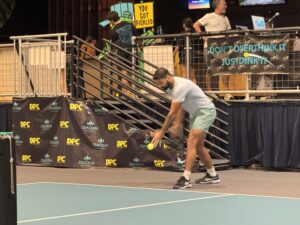
Why Deerfield Beach residents need activity-specific physical therapy
You live in a coastal, active community where beach running, pickleball at local courts, boating, and long commutes are part of everyday life. That combination of heat, humidity, uneven sand, repetitive racket play, lifting on boats, and time behind the wheel creates patterns of overuse and acute strain that benefit from targeted, clinically informed physical therapy.
How Deerfield Beach Physical Therapy approaches your injuries
Deerfield Beach Physical Therapy assesses you with an evidence-based, activity-focused framework to restore pain-free movement and return you to local activities. You’ll get a plan that blends manual techniques, progressive exercise, education, and practical strategies designed for South Florida living.
Common activities and the typical injury patterns you might face
You participate in beach running, pickleball at community courts, boating and fishing, and commuting long distances—each with distinct biomechanical demands. Identifying the movement patterns that caused your pain helps your therapist create a specific rehabilitation plan.
Beach running — what the sport does to your body
Running on sand increases ground compliance and requires more ankle, calf, and hip muscle work, which can overload tissues when you increase distance or intensity quickly. You may notice calf strains, Achilles tendinopathy, plantar fasciitis, ankle sprains, or hip/gluteal fatigue when you run frequently on Deerfield Beach’s shorelines.
Pickleball — common strains and where you feel them
Pickleball involves quick lateral movements, sudden starts and stops, overheads, and low volleys, which load knees, hips, shoulders, and elbows. You might experience rotator cuff pain, lateral epicondylopathy (tennis elbow), medial knee pain, or ankle instability if your footwork or shoulder mechanics are inefficient.
Boating strain — loading patterns and typical complaints
Boating tasks such as hauling coolers, docking, anchoring, and handling lines create repetitive twisting and lifting that commonly aggravate the low back, shoulders, and neck. You may have acute lumbar strains, chronic low back pain from cumulative loading, or shoulder impingement from repetitive overhead or forward-reaching tasks on smaller decks.
Commuter back pain — why long drives in South Florida matter
Sustained sitting, slouched posture, vibration, glare, cramped seats, and frequent stops during long commutes can lead to mechanical low back pain and neck discomfort. You may notice stiffness first thing in the morning or after a long drive, with gradual pain during the day that improves with movement.
What a clinical assessment looks like at Deerfield Beach Physical Therapy
Your initial evaluation will combine a detailed history, movement analysis, palpation, range-of-motion testing, strength testing, neurological screening, and activity-specific tasks. This helps the therapist classify your problem (e.g., tendinopathy, instability, lumbar radiculopathy risk) and set realistic, measurable goals.
History and activity analysis
You’ll discuss onset, aggravating/easing factors, prior injuries, footwear, training schedule, commute patterns, and boat duties to identify contributing behaviors. Local factors like running on hot sand, paddling or docking in salt spray, or frequent trips to Fort Lauderdale can influence your rehabilitation plan.
Objective measures and special tests
Your therapist will measure joint mobility, muscle length, strength, balance, gait, and sport-specific movement like lateral shuffles for pickleball or single-leg stance for beach running. Red flags such as progressive neurological deficits, unexplained weight loss, fever, or bowel/bladder changes will be screened and referred for medical investigation if needed.
Principles of treatment you can expect
You’ll receive a personalized combination of pain-relief strategies, manual therapy when indicated, progressive strengthening and motor control work, return-to-activity programming, and education about hydration, sun protection, and pacing. Treatment emphasizes graded exposure so you can return to Deerfield Beach activities safely and sustainably.
Pain management and manual therapy
Short-term pain control may include hands-on mobilizations, soft tissue techniques, taping, and modalities to allow you to engage in active rehabilitation. These are paired with movement retraining and strengthening because long-term outcomes come from restoring function and load tolerance.
Exercise therapy and progressive loading
Exercise programs will focus on restoring strength, endurance, and neuromuscular control targeted to your activity—whether you need eccentric calf loading for Achilles tendinopathy or rotator cuff strengthening for pickleball overheads. Progression is gradual and load-based; your therapist will guide you through clear phases so your tissues adapt without flare-ups.
Beach Running: assessment, treatment, and progression
If beach running is your favorite way to exercise in Deerfield Beach, you need strategies to manage the unique demands of sand running. Your therapist will help you adapt gradually, strengthen vulnerable tissues, and correct gait problems that increase injury risk.
Biomechanics and risks of running on sand
The unstable surface increases ankle dorsiflexion demand, eccentric calf work, and hip stabilizer activity, which can be protective if progressed gradually but harmful if you increase volume suddenly. Sand running may reduce joint impact but raises muscular load, so changes in pain or fatigue often indicate overloading.
Immediate management for common conditions (calf/Achilles/plantar)
Early phases emphasize relative rest from aggravating activity, pain-relief strategies (ice after activity, soft tissue work), and isometric holds for tendon pain when appropriate. You’ll then start progressive eccentric and concentric loading guided by pain levels and functional tests like single-leg calf raises.
A 6–8 week beach running return-to-run progression
You’ll follow a staged program: initial controlled walking on firmer surfaces, brief intervals on sand with long rest, gradual increase in running duration, and technique cues like shorter stride and faster cadence. The program emphasizes strength work, single-leg balance, and hip/glute endurance to reduce compensatory loading.
Table: Beach Running Progression (sample)
| Phase | Focus | Typical Session |
|---|---|---|
| 1 (Weeks 0–2) | Pain control, mobility, basic strength | Walking on boardwalk, calf and glute isometrics, ankle ROM |
| 2 (Weeks 2–4) | Reintroduce sand, low-intensity load | Short jog intervals on compact sand, single-leg balance, eccentric calf sets 3×15 |
| 3 (Weeks 4–6) | Increase running volume & speed | Longer sand runs with structured work: 20–40 min total, hip-abductor endurance 3×12 |
| 4 (Weeks 6–8) | Return to regular sessions, sport-specific drills | Intervals, lateral movements on sand, plyometric prep, maintenance strength |
Pickleball: shoulder, elbow, and lower-limb rehab tailored for Deerfield Beach players
Pickleball is extremely popular in South Florida; your local courts can be lively and you want to play without pain. Rehabilitation focuses on shoulder stability, eccentric control for the elbow, hip control for quick lateral moves, and on-court movement drills.
Shoulder mechanics for overheads and dinks
Your shoulder must provide stability in rapid, often asymmetric reaches; deficits in rotator cuff strength or scapular control lead to impingement and pain. Treatment involves scapular stabilizer exercises, rotator cuff strengthening (light, high-repetition to start), and progressive overhead load tolerance.
Managing lateral epicondylopathy and other elbow issues
Lateral elbow pain often results from repetitive gripping and wrist extension during volleys and returns; treatment emphasizes graded eccentric wrist extensor loading and forearm strengthening. You’ll also get advice on racket grip size, string tension, and stroke technique to reduce tendon overload.
Footwork, ankle, and knee considerations
Quick lateral shuffles and abrupt stops stress knees and ankles; strengthening your hips and integrating change-of-direction drills reduce the load on these joints. Agility drills tailored to pickleball courts in Deerfield Beach will be part of your return-to-play progression.
Table: Pickleball Rehab Focus Areas
| Injury Area | Rehab Priorities | On-Court Modifications |
|---|---|---|
| Shoulder | Scapular control, rotation strength, progressive overhead loading | Limit overheads initially, use two-handed backhand if painful |
| Elbow (lateral) | Eccentric wrist extensor loading, grip control | Use paddle with larger grip, reduce topspin shots early |
| Lower limb | Hip abductor strength, deceleration training | Shorten rallies, avoid extreme cuts until stable |
Boating strain: safe lifting, torsion control, and core resilience
Your boating activities around Deerfield Beach require safe mechanics to avoid low back and shoulder injuries, particularly when lifting heavy coolers, anchors, or gear. A preventive and rehabilitative focus on core endurance, hip hinge mechanics, and scapular stabilization will keep you on the water.
Common patterns and how to correct them
You may create strain through repetitive twisting from the torso while lifting, or by lifting with a flexed spine instead of hinging at the hips. Relearning safe lifting—using your legs, bracing your core, and avoiding sustained trunk rotation—prevents recurrence.
Core training and practical boat-friendly techniques
Boat-friendly core exercises (planks, bird dogs, hip hinges with light load) can be done in short sets to build endurance without equipment. You’ll also practice bracing during lifts, keeping loads close to your body, and planning team lifts for bulky items.
Shoulder protection when working on deck
When handling lines or nets, you’ll use scapular retraction, avoid excessive forward rounding, and break up repetitive overhead tasks. Strength and endurance programs for the rotator cuff and periscapular musculature reduce the risk of impingement from repetitive reaching.
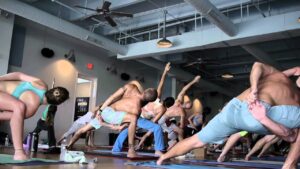
Physical Therapy in Deerfield Beach
Commuter back pain: ergonomics, movement, and time-based strategies
Your long daily commute in South Florida—from Deerfield Beach to neighboring cities or across town—requires strategies to reduce mechanical low back strain. Active interventions and posture adjustments reduce pain and allow you to continue commuting while you rehabilitate.
Why sitting aggravates some backs and how to change it
Sustained lumbar flexion narrows posterior disc spaces and taxes spinal tissues, while static postures reduce spinal circulation. You’ll learn micro-break strategies, dynamic sitting tips, and how to use lumbar supports or seat adjustments to maintain neutral spine alignment.
In-vehicle adjustments and brief mobility routines
Simple changes—lumbar roll placement, seat tilt, headrest height, and steering wheel reach—make long drives more comfortable and reduce load on spinal tissues. Short mobility routines, such as glute activation and spinal twists during fuel or red-light stops, help reset stiffness and keep you mobile.
Driving-specific rehab exercises
You’ll perform core stabilization, hip-flexor stretches, thoracic rotation drills, and posterior chain strengthening to counteract prolonged sitting. The goal is to improve tolerance to sitting by increasing muscular endurance and breaking the pain-sitting-pain cycle.
Prevention strategies tailored for Deerfield Beach life
Prevention is about modifying activity load, improving technique, strengthening weak links, and respecting the local climate and environment. Your therapist will give you specific advice for hydration, footwear, timing of activity to avoid midday heat, and practical warm-ups for courts or shorelines.
Heat, hydration, and timing considerations in South Florida
High humidity increases perceived exertion and risk of cramping; you should hydrate before and during activity and schedule intense sessions in cooler parts of the day. Sun protection, electrolyte awareness, and gradual acclimatization are important when returning after time off.
Footwear and surface choices for beach running and courts
Choosing appropriate shoes for firm vs soft sand, and the correct court shoes for pickleball, reduces injury risk and improves performance. You may use minimal-shoe sessions only as part of a planned progression and avoid sudden transitions between very different footwear types.
Home exercise program examples and progressions
You’ll receive a home program that’s realistic for your schedule and focused on functional improvements for Deerfield Beach activities. Below are sample exercises for common problems, with suggested sets and progressions.
Table: Sample Home Exercises (recommended sets and progressions)
| Goal | Exercise | Reps/Sets | Progression |
|---|---|---|---|
| Calf/Achilles | Single-leg calf raises (slow, controlled) | 3 sets x 12–20 | Add slow eccentric lowering or weighted vest |
| Rotator cuff | Sidelying external rotation or resisted band ER | 3×12–15 | Increase band resistance, add standing ER with scapular protraction |
| Core endurance | Front plank | 3 x 20–60 sec | Increase time, add alternating arm/leg lifts |
| Hip stability | Side-lying clamshells or banded lateral steps | 3×15 | Progress to single-leg squat and lateral bounds |
| Low back control | Bird dog (slow, controlled) | 3×10 each side | Add light resistance or hold longer |
Return-to-activity criteria for safe resumption
You should return to full activity when you meet pain- and function-based milestones—not just when you feel “a bit better.” Criteria include adequate strength (typically 80–90% of the non-involved side where applicable), pain-controlled with activity, normalized movement patterns, and endurance to meet the demands of your sport.
Progression checkpoints
Checkpoints include pain ≤2/10 with sport-specific drills, single-leg hop or lateral shuffle without compensatory movements, and completion of sport workloads at reduced intensity. Your therapist will use objective measures like single-leg hop distance, isometric hold times, or timed runs to guide progression.
Red flags and when to seek further medical care
You should contact your therapist or physician immediately if you develop progressive numbness or weakness in your legs, changes in bowel or bladder function, unexplained fever, or severe night pain. Those symptoms may signal urgent conditions that require imaging or surgical consultation.
What to expect during sessions at Deerfield Beach Physical Therapy
Your initial session will be focused on assessment and collaborative goal-setting, followed by hands-on care and tailored exercise prescription. Subsequent visits will progressively emphasize active rehabilitation, home program updates, and return-to-sport testing.
Collaboration and communication
You’ll be encouraged to ask questions, track symptoms, and provide feedback about what helps or hurts so your plan can be refined in real time. Your therapist may communicate with your physician, coach, or trainer if needed to coordinate care.
Practical tips for staying active in Deerfield Beach while you rehabilitate
You can modify activity rather than stop it completely—use walk breaks, shorter sessions, cross-train with swimming or cycling, and emphasize warm-ups specific to the activity. For example, you can substitute pool running for sand running when tendon pain flares, and practice paddle control before returning to boating tasks.
Cross-training and incremental load management
Cross-training maintains cardiovascular fitness while reducing load on healing tissues, and incremental load management (percent increase rules) prevents flare-ups. Your therapist will suggest schedules that balance activity and recovery based on your tissue healing and training history.
Equipment, orthoses, and local resources
You may benefit from custom orthoses, paddle/racket modifications, or supportive braces depending on your issue, and your Deerfield Beach Physical Therapy clinic can advise on local suppliers. Use lightweight, breathable fabrics and waterproof coverings for marine tasks, and consider anti-chafe tape for repetitive mowing or deck work.
How orthoses and taping can help
Orthoses can correct foot pronation or arch collapse that contributes to knee and foot pain during sand running or court play, while taping can offer short-term support during acute phases. Your therapist will trial and monitor these conservative aids before recommending long-term use.
Frequently asked questions you might have
You probably wonder how long recovery will take, whether you should stop all sports, or if imaging is necessary. Your therapist will give individualized timelines—acute strains often improve in 2–6 weeks with therapy, while tendinopathies can take 8–12 weeks or longer to fully respond to progressive loading.
Should you keep playing with mild pain?
You can often continue modified activity if pain is low and doesn’t worsen during or after sessions, provided you follow a structured plan. Persistent or worsening pain requires reassessment and possible activity restriction until you’re on the right rehab pathway.
When is imaging appropriate?
Imaging is usually reserved for suspected fractures, severe trauma, persistent pain after conservative care, or when neurological signs suggest nerve compression. Most soft-tissue and mechanical low back problems respond to a period of guided physical therapy before routine imaging is needed.
Sample case example: returning to pickleball after shoulder pain
You might start with pain-limited range-of-motion, progress to scapular stabilization and rotator cuff strengthening, and finish with on-court practice emphasizing two-handed strokes and reduced overheads. Outcome measures such as pain with overhead reach, shoulder isometric strength, and performance in on-court drills guide the final return.
How Deerfield Beach Physical Therapy supports long-term success
You’re not just treated for the immediate injury; your therapist provides strategies for long-term load management, conditioning programs tailored to Deerfield Beach activities, and lifestyle adjustments to prevent recurrence. That means usable plans you can maintain year-round to keep playing pickleball, boating, and running on the sand.
Community integration and local knowledge
Because your clinic understands Deerfield Beach’s climate, activity patterns, and local facilities, they tailor your rehab to real-life demands—whether it’s a weekend regatta, sunrise jogs on the beach, or evening pickleball at the courts. This practical knowledge makes your plan relevant and easier to implement.
Final thoughts and next steps
If your activity-related pain is limiting your routines in Deerfield Beach, a targeted physical therapy evaluation can get you back to regular movement with fewer setbacks. You’ll get a science-based, locally informed plan to manage heat, sand, courts, and long commutes so you can enjoy the lifestyle without chronic pain.
If you’d like, you can discuss your specific symptoms, local activity schedule, and access to Deerfield Beach Physical Therapy services so a tailored plan can be created. A focused evaluation will clarify the cause of your pain and outline realistic steps to restore your active life in Deerfield Beach.